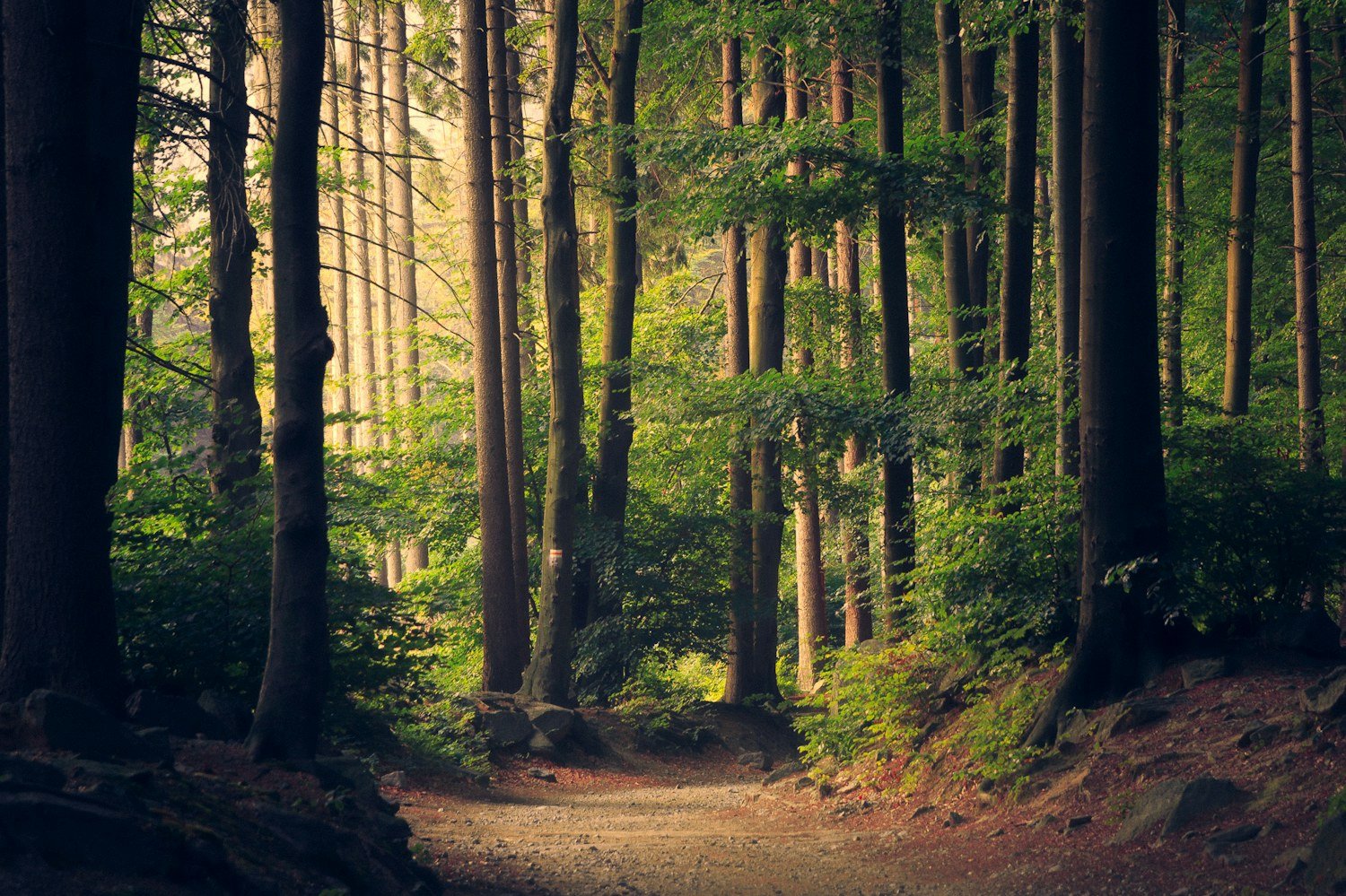
When the route stops being the task
A new path asks for attention to directions, junctions, and the next turn. A familiar route can leave a little more room for the details around it. You know the general shape of the walk and can notice something else.
That does not make practical preparation unnecessary. Conditions and access still change. Familiarity is most useful when it supports attention rather than replacing it.
Find the smaller difference
Look for a detail you did not register last time. A branch may catch the light differently, or the sound of the path may change after rain. The discovery can be modest and still make the visit feel distinct.
Returning also gives you a way to notice your own preferences. You may choose a slower pace, stop at a different bench, or find that the same view matters for a new reason.
Keep the option to return
A nearby route does not have to compete with a distant trip. It can serve a different purpose: an easy way to spend a little time outside on an ordinary day.
The path can stay familiar while your attention changes. That is enough reason to keep it in your life.
An original Riveam editorial story. Photography is illustrative; see image sources. Photo essays combine separately sourced images and do not document one reported visit.