Keep one route in your life
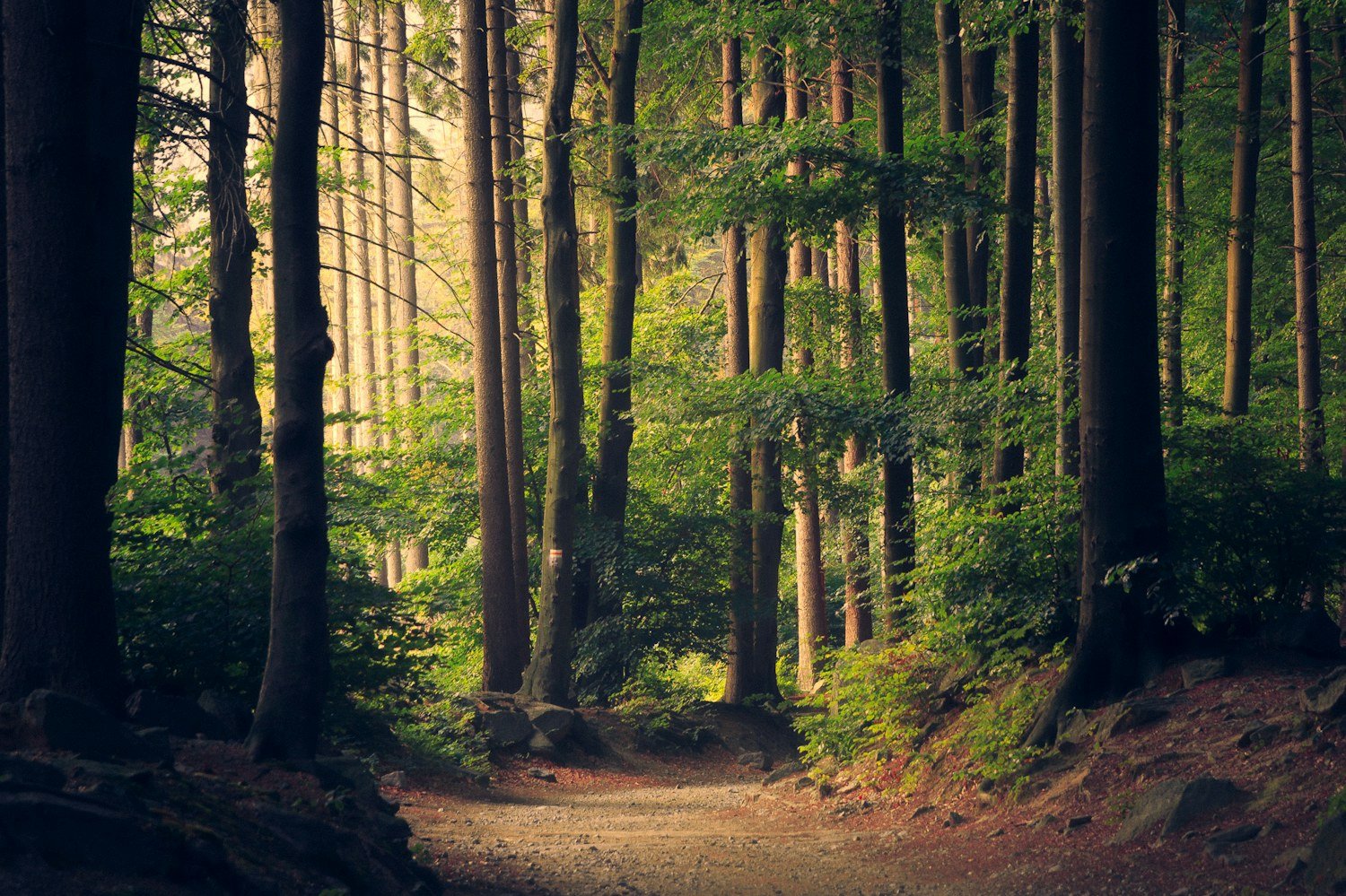
Choose a short, accessible route you already know. Returning to the same place removes some of the planning and makes small changes easier to see. It also gives you a reference point that belongs to your own experience.
The route does not need to be scenic in a conventional sense. A row of street trees or a park loop can provide more continuity than an occasional distant trip.
Notice without predicting
Look for what is actually present: the color of the ground, the amount of light, or the shape of a familiar branch. Avoid turning the visit into a test of what the season ought to look like. Weather and local conditions do not follow your calendar neatly.
Take a note or a photograph from a permitted spot if that helps you remember. Keep the record simple enough that you will want to return to it. A single sentence can be more useful than a page you never finish.
Allow the walk to change too
A familiar route can still need a different plan. Check closures and conditions, adjust for daylight, and change course if access or weather makes the usual walk unsuitable. Familiarity is not a substitute for attention.
Over time, the collection of small visits can become its own kind of story. You are learning a place by returning, not trying to complete it.
An original Riveam editorial story. Photography is illustrative; see image sources. Photo essays combine separately sourced images and do not document one reported visit.