Begin with what is nearby
You do not need a remote forest to spend time noticing trees. A local park, a neighborhood greenway, or a small public woodland can offer a useful starting point. Choose a place you can return to without turning the visit into a major project.
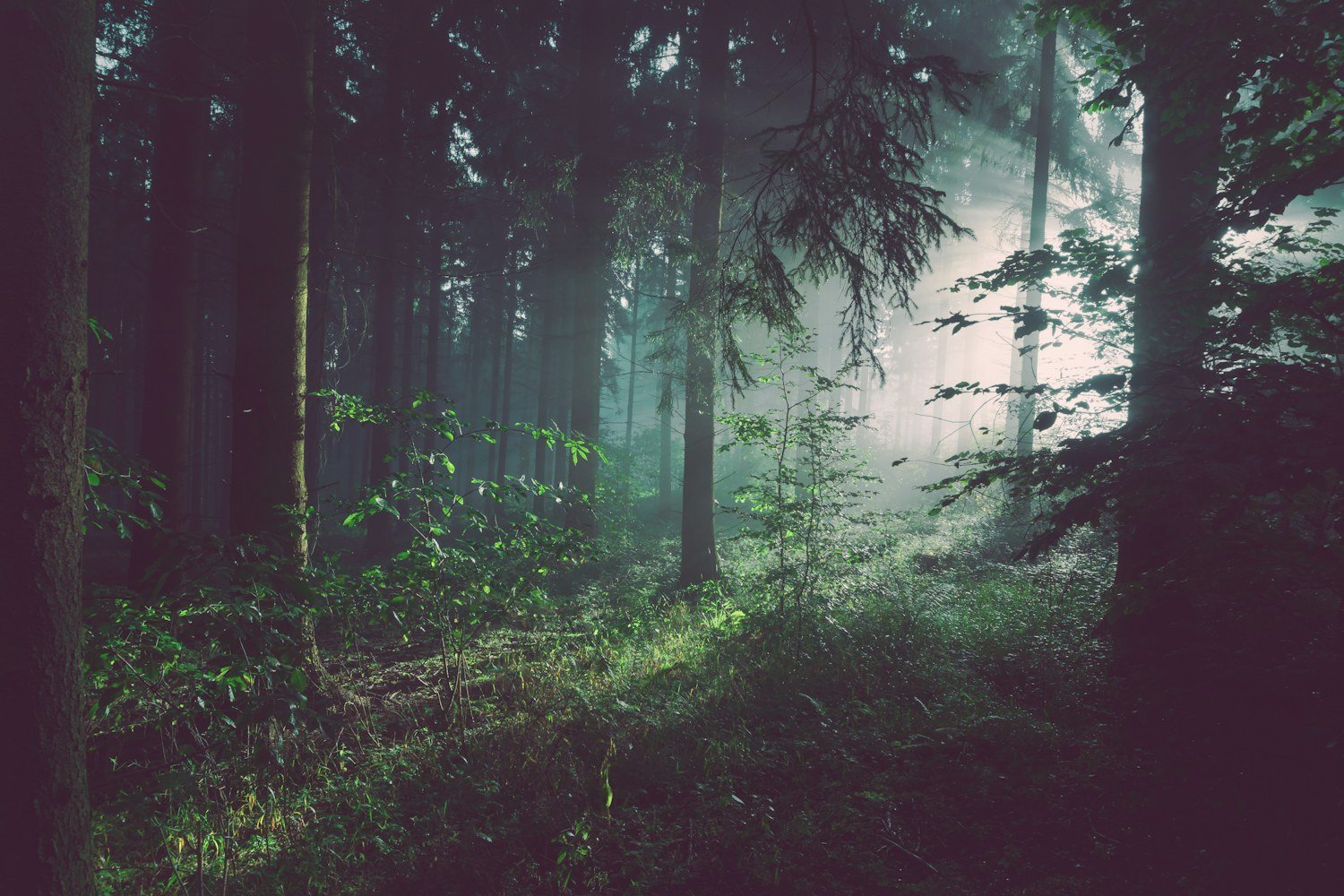
Walk a short stretch, then stop where you can do so without blocking the path. Look at the space between trunks as well as the trees themselves. Light, distance, and the shape of the ground can change the feeling of an otherwise ordinary scene.
Pay attention to a smaller frame
It is easy to look for the biggest view and overlook everything that makes it possible. A root crossing a path, a change in bark texture, or a patch of light on a leaf can hold your attention just as well. You do not need to identify every detail to notice it.
Keep your curiosity on the marked route. Looking closely is different from collecting, touching, or moving things for a photograph. Leave the scene ready for the next person to discover in their own way.
Come back without a checklist
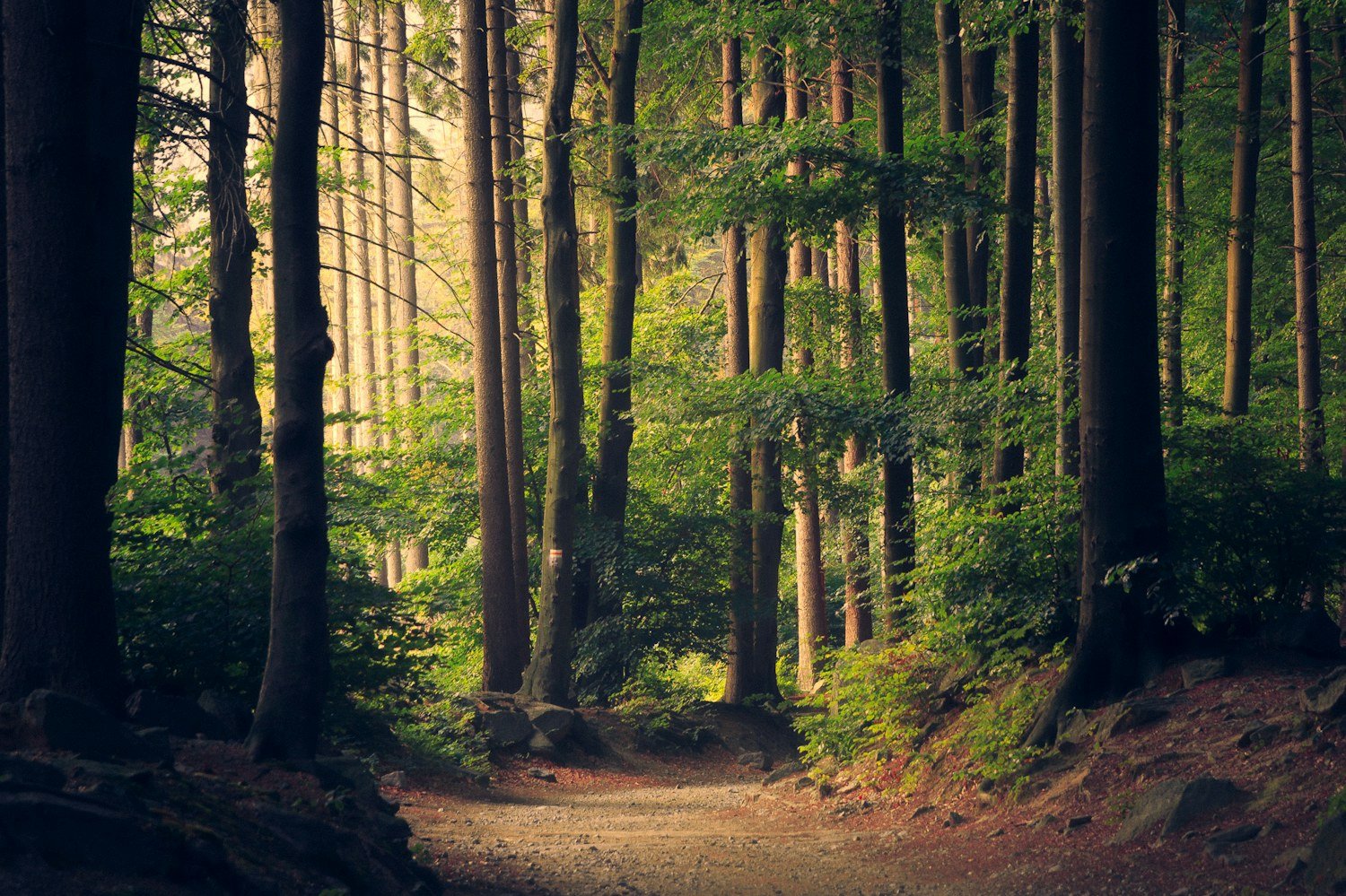
A repeat visit lets you notice what changed. The same path can look different after rain or under a different sky, even when your route stays exactly the same. Make a note of one detail rather than trying to record everything.
Let the walk be enough on its own. Some days the useful discovery is simply that a nearby place deserves more of your attention.
An original Riveam editorial story. Photography is illustrative; see image sources. Photo essays combine separately sourced images and do not document one reported visit.