A visual essay, not a route
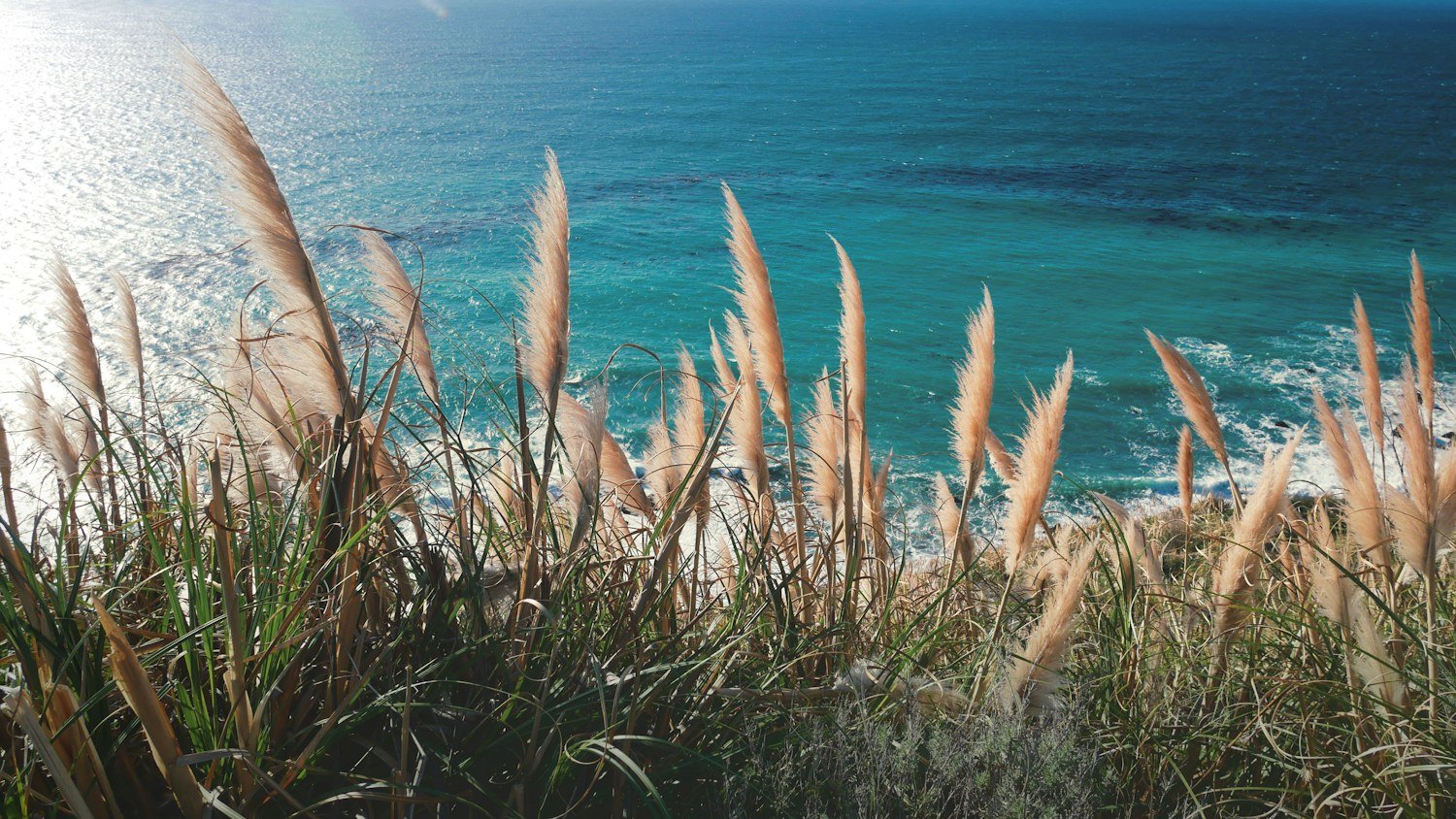
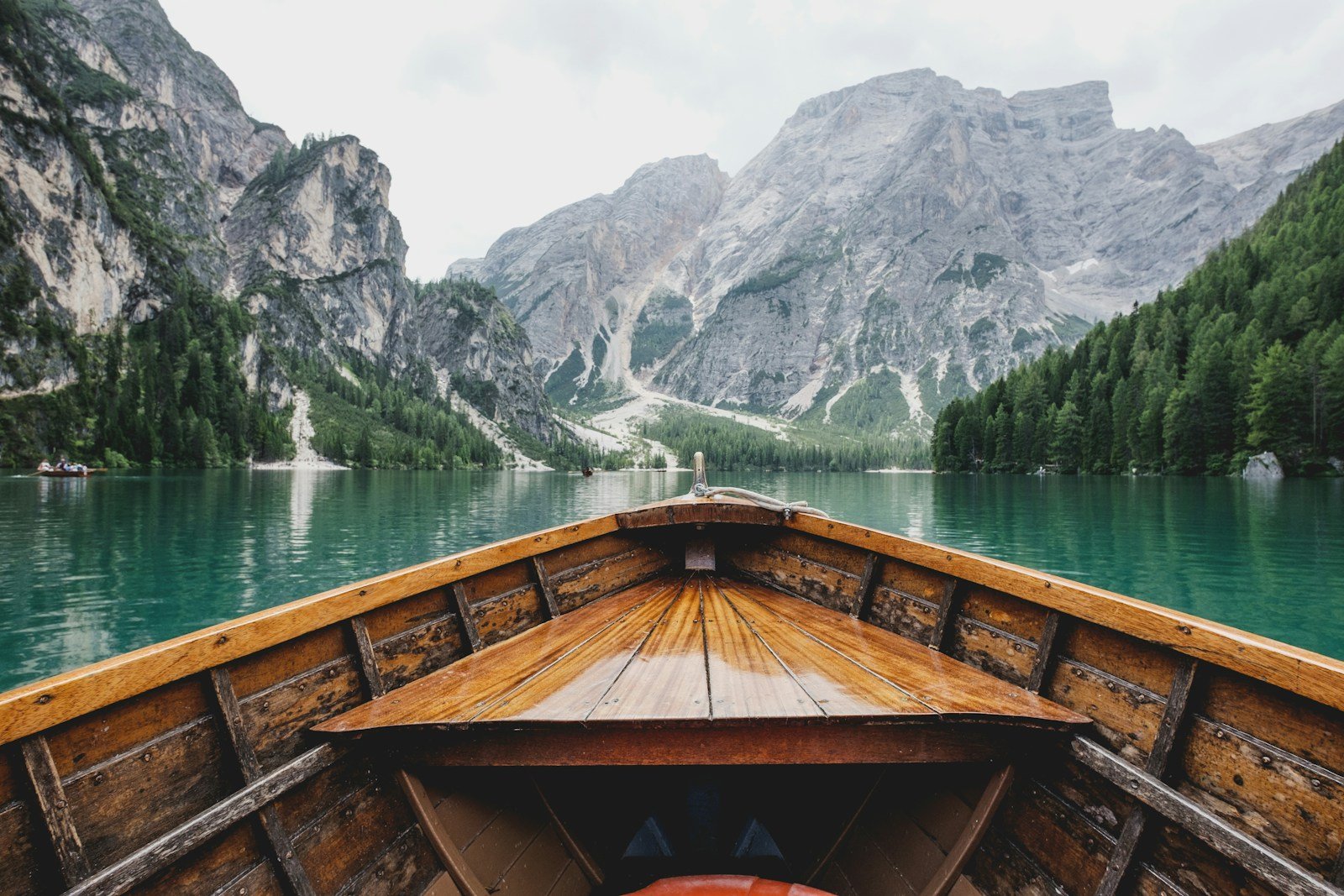
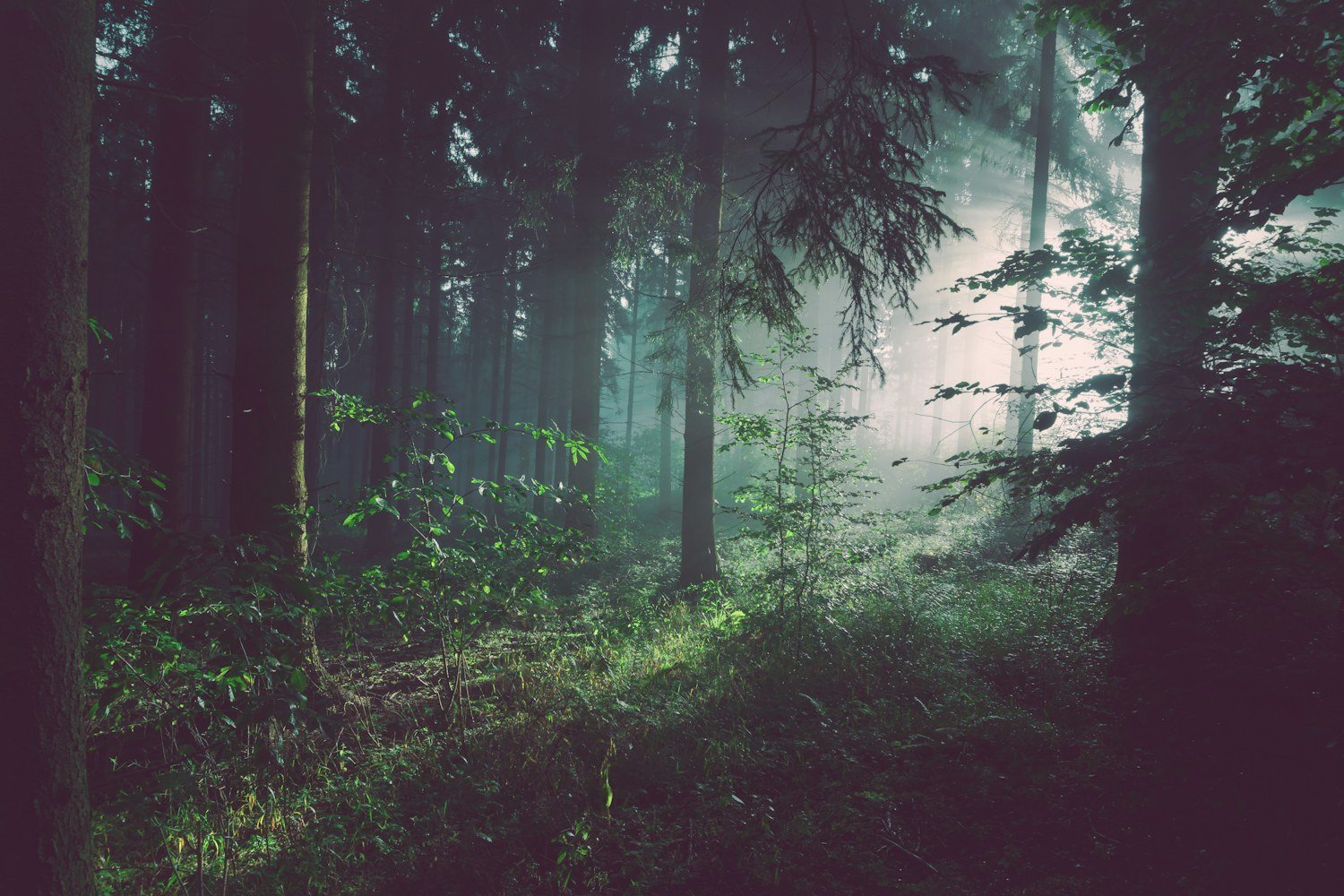
These photographs are brought together as a study of woodland atmosphere. They were not made on one documented Riveam journey and do not describe a single place to visit. The relationship is in their light, texture, and sense of scale.
Look first at the whole frame, then choose a smaller part. Notice how trunks divide space and how the brightest area directs the eye. There is no correct detail to find.
Stay with the frame
Try looking at each image for a little longer than a quick scroll. The first impression may come from color; a second look may reveal a path, a roofline, or a change in distance. A still image can hold more than one pace.
The captions offer a starting point rather than an explanation of what you should feel. Bring your own associations to the photographs and let the sequence remain open.
Take the idea outside
On a future walk, notice how light changes a familiar scene without needing to reproduce any of these pictures. Stay on permitted routes and photograph only from places where it is appropriate to stop.
The useful exercise is attention. A photograph can be a prompt to look more closely at the world beyond it.
An original Riveam editorial story. Photography is illustrative; see image sources. Photo essays combine separately sourced images and do not document one reported visit.