Begin with a point of reference
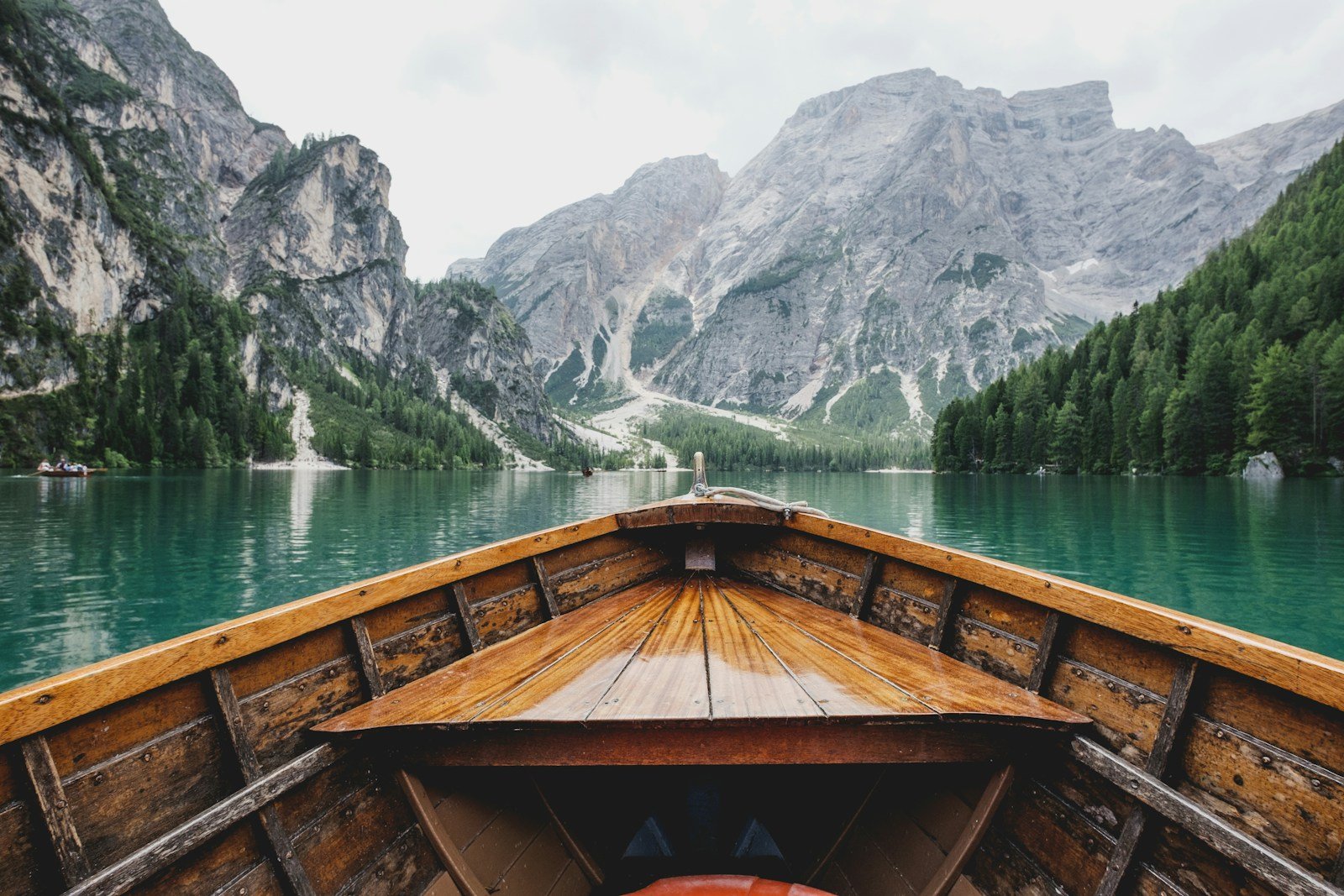
Large landscapes can be difficult to read without something that gives them scale. A boat, a tree, or a distant building can make space feel more understandable. This curated sequence uses those smaller elements to enter the view.
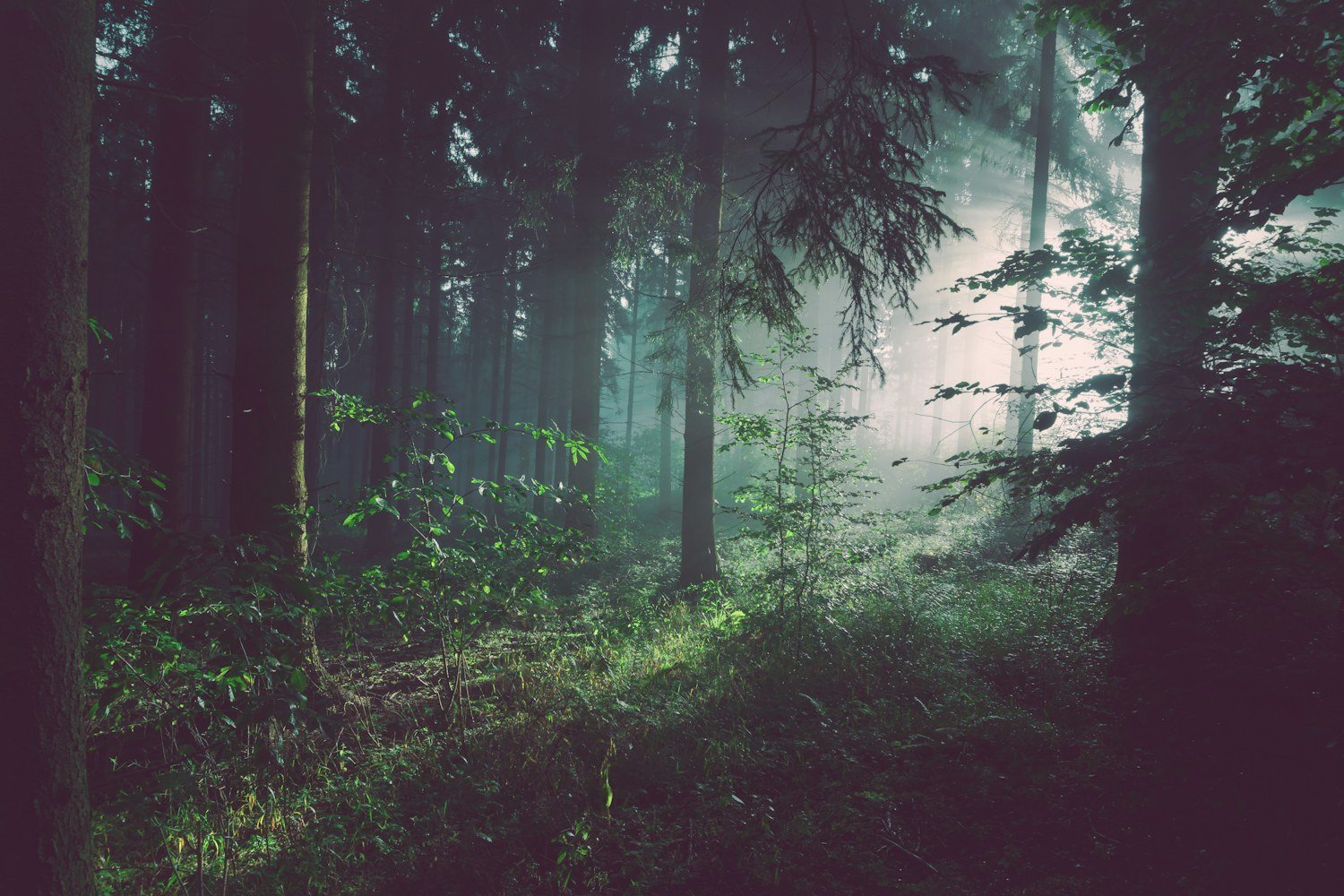
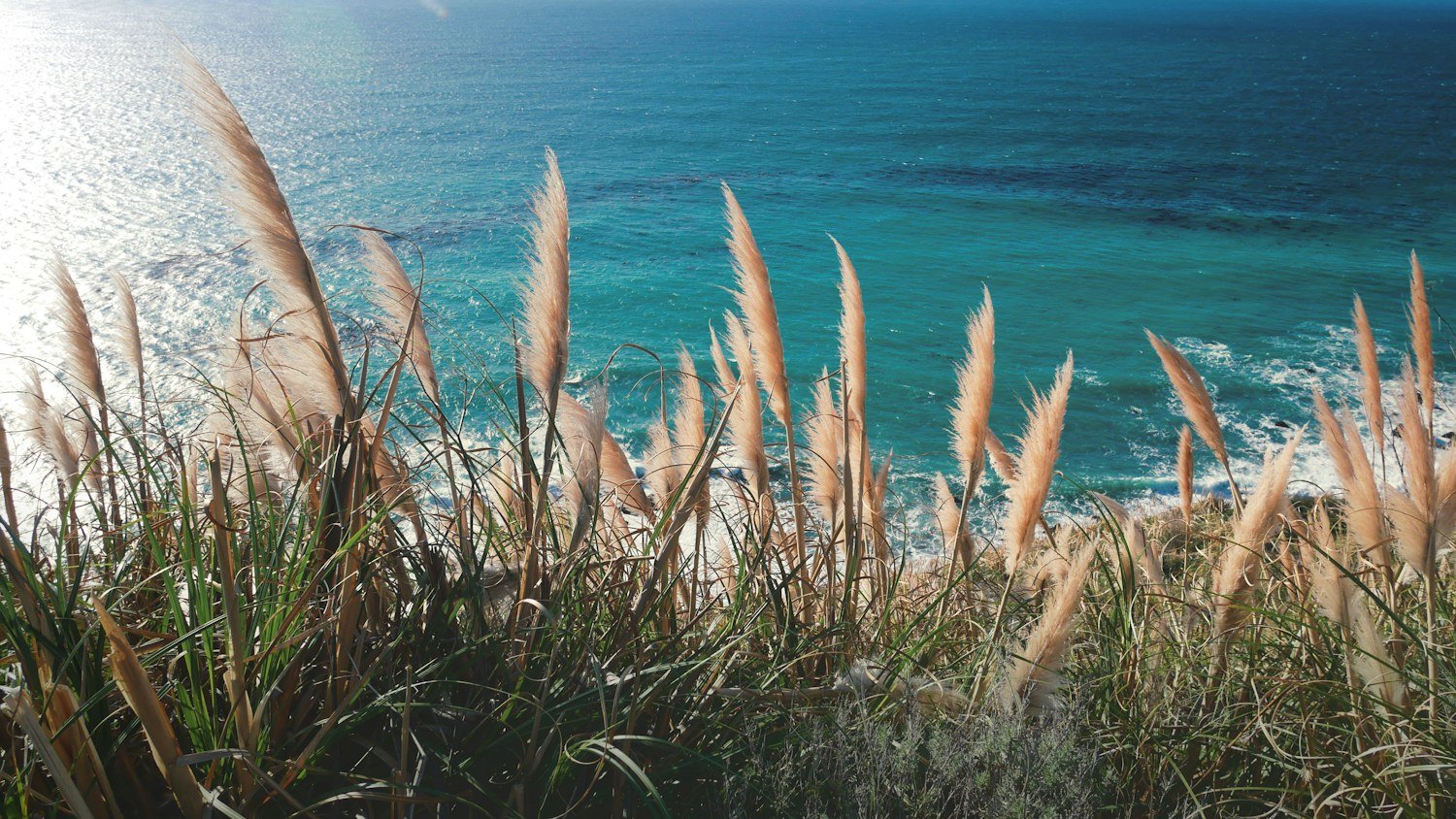
The photographs are illustrative images from separate sources, not documentation of one trip. Their connection is visual: a shift from a clear foreground toward a wider landscape.
Notice what reflection changes
Water can repeat shapes while making them less certain. Look at the difference between a solid edge and the image beneath it. The relationship may be the most interesting part of an otherwise familiar mountain scene.
There is no need to explain the photograph completely. You can enjoy the arrangement of lines, tones, and distances before deciding what the place means to you.
Give the view its own time
Move through the sequence at the pace you choose. Use the full-screen gallery if you want fewer distractions, or return to one frame that holds your attention.
A visual story can end without a final answer. Sometimes the open space is the point.
An original Riveam editorial story. Photography is illustrative; see image sources. Photo essays combine separately sourced images and do not document one reported visit.